
Sugarloaf Mountain in a few dates
Sugarloaf Mountain, Pão de Açúcar in Portuguese, is a rock peak at the mouth of Guanabara Bay in the Urca district of Rio de Janeiro. The summit is 396 m high. Next to it stands the lower Morro da Urca at 220 m, the first stop of the cable car.
The cable car is the reason most people know the mountain's history. It opened in two steps, one year apart, and it was the first cable car in Brazil. If you plan to ride it today, see our guide to Sugarloaf cable car tickets. This page covers where the name comes from and how the ride and the mountain's protection developed.
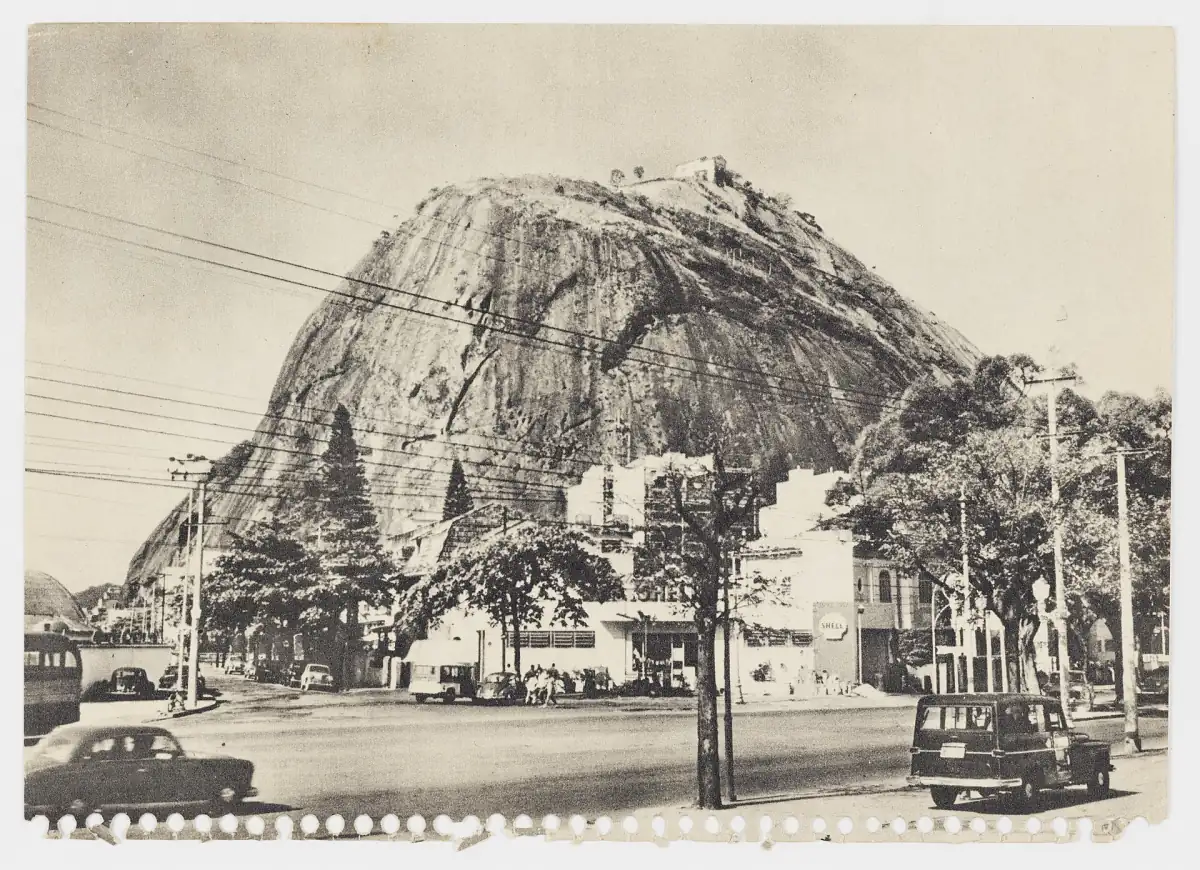
Timeline of the cable car
The key steps from 1912 to today.
27 October 1912
The first stretch opens from Praia Vermelha to the Morro da Urca. The engineer behind the project was Augusto Ferreira Ramos. Only the first stretch opened on this day.
18 January 1913
The second stretch from the Morro da Urca to the summit of Sugarloaf follows. From this date the full route works as it does now, in two rides with a change at the middle station.
1972
A new system replaces the early installation. It brings the transparent, bubble-shaped cabins that many visitors still picture when they think of the ride.
2008
New cabins built in Switzerland go into service. The shape stays, the technology becomes digital and automated. Today's cabins hold up to 65 people.
The first stretch is about 528 m long. The second stretch is roughly 735 to 750 m long, so treat any single number for it as approximate.
Our pick: ride the cable car
This page is about the cable car, and this ticket gives you the ride itself.
Hand-picked tours, booked through Viator. Prices are indicative starting prices in US dollars (as of October 2026). Tap a tour for live availability and the current price in your currency.
Sugarloaf tours and tickets
Cable car access, guided visits, city tours and Christ the Redeemer combinations, with live prices and availability.
Where the name comes from
The most popular explanation links the name to the shape of the rock. The rock resembles the tall conical moulds in which sugar was once formed, the sugar loaves.
Treat this as the traditional story, not as proof.
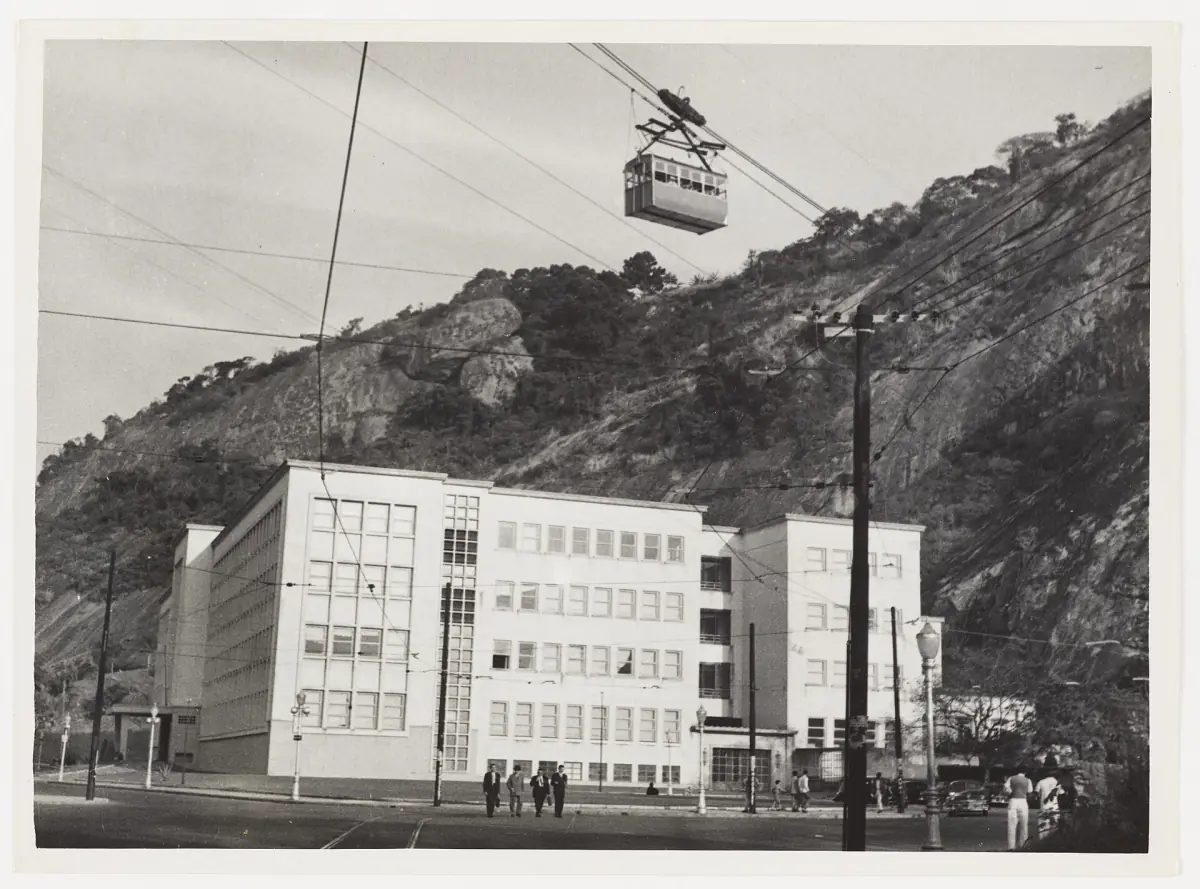
Protection: three different layers
Heritage protections are easy to mix up. These are separate acts.
National heritage, 8 August 1973
The mountain was placed under national heritage protection in 1973, one year after the cable car's new system went into service.
Municipal nature monument, 2006
Sugarloaf and the Morro da Urca lie inside the Monumento Natural dos Morros do Pão de Açúcar e da Urca, created in 2006. The forest around the two hills belongs to the Atlantic Forest, the Mata Atlântica.
UNESCO, 2012
In 2012 UNESCO inscribed the cultural landscape "Rio de Janeiro: Carioca Landscapes between the Mountain and the Sea", under criteria (v) and (vi). Sugarloaf is part of that larger landscape. The cable car itself is not a separate UNESCO site.
Key figures at a glance
The numbers behind the ride.
| Item | Figure | Note |
|---|---|---|
| Morro da Urca | 220 m | First station of the cable car |
| Sugarloaf summit | 396 m | Second station |
| First stretch | About 528 m | Praia Vermelha to Morro da Urca |
| Second stretch | About 735 to 750 m | Morro da Urca to Sugarloaf |
| Cabin capacity | Up to 65 people | Per cabin |
| Nature monument | 2006 | Covers Sugarloaf and the Morro da Urca |
If you only remember one thing for your visit: the ride is two separate stretches with a change at the Morro da Urca, exactly as in 1913.
What of the history you can still see
Three ways to connect the past with a visit.
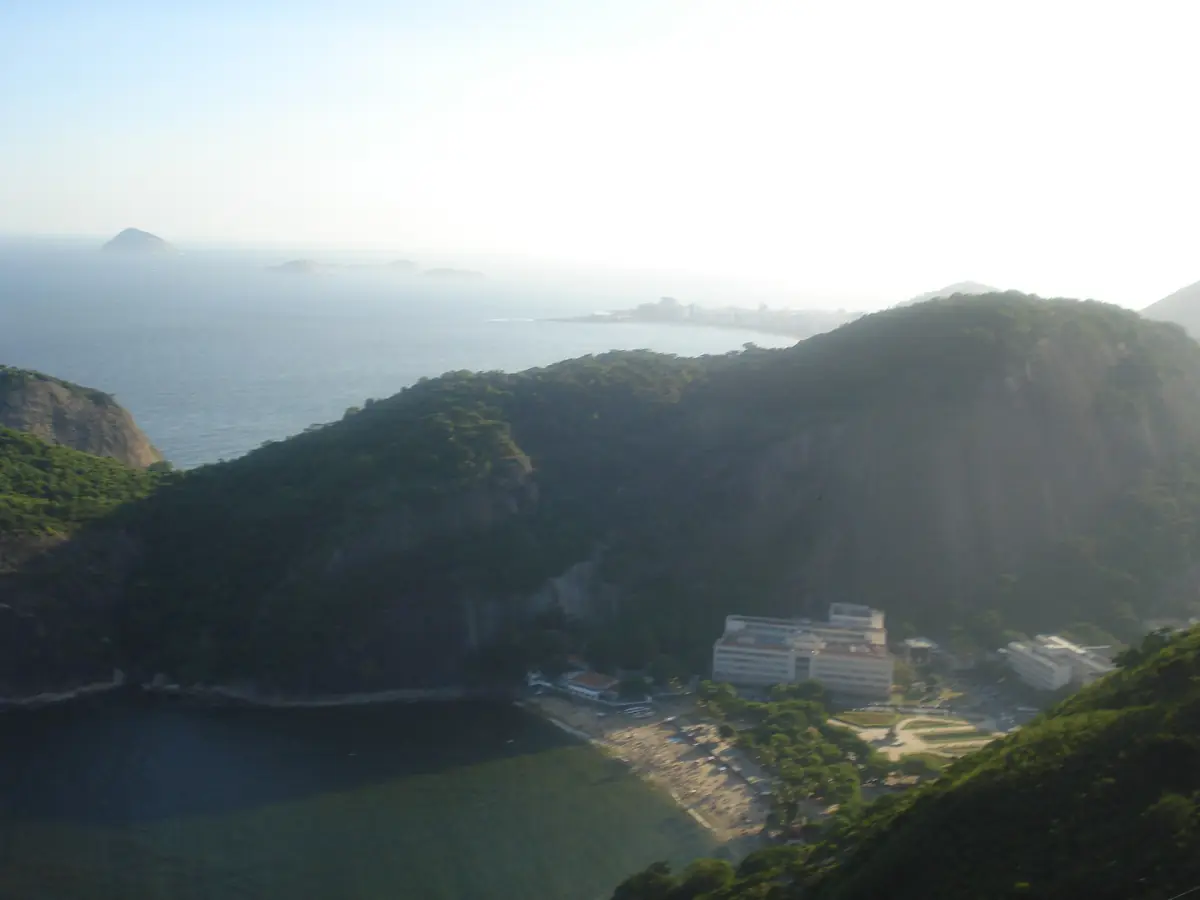
Morro da Urca
The first stop of the ride. The Praça dos Bondes has shown historic cabins from the 1912 and 1972 generations, so check what is on display when you go.
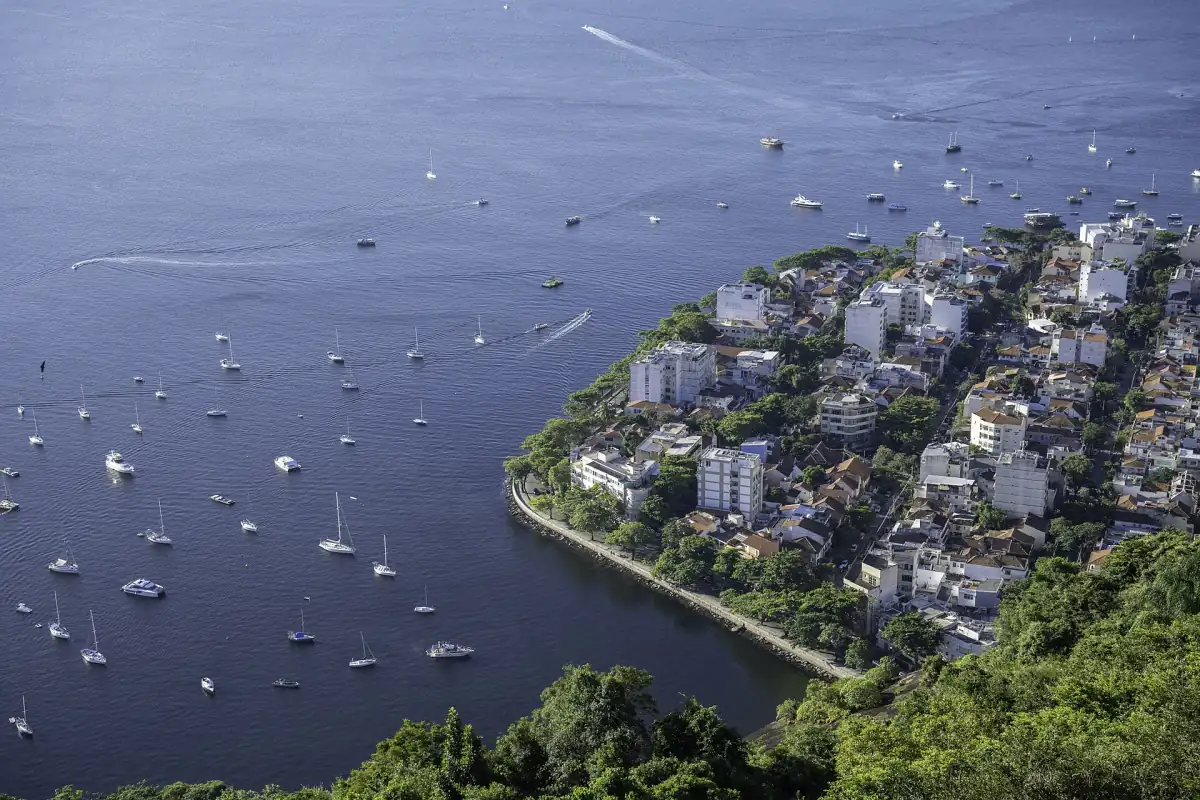
Urca
The quiet district at the foot of the mountain, with Praia Vermelha and the seawall.
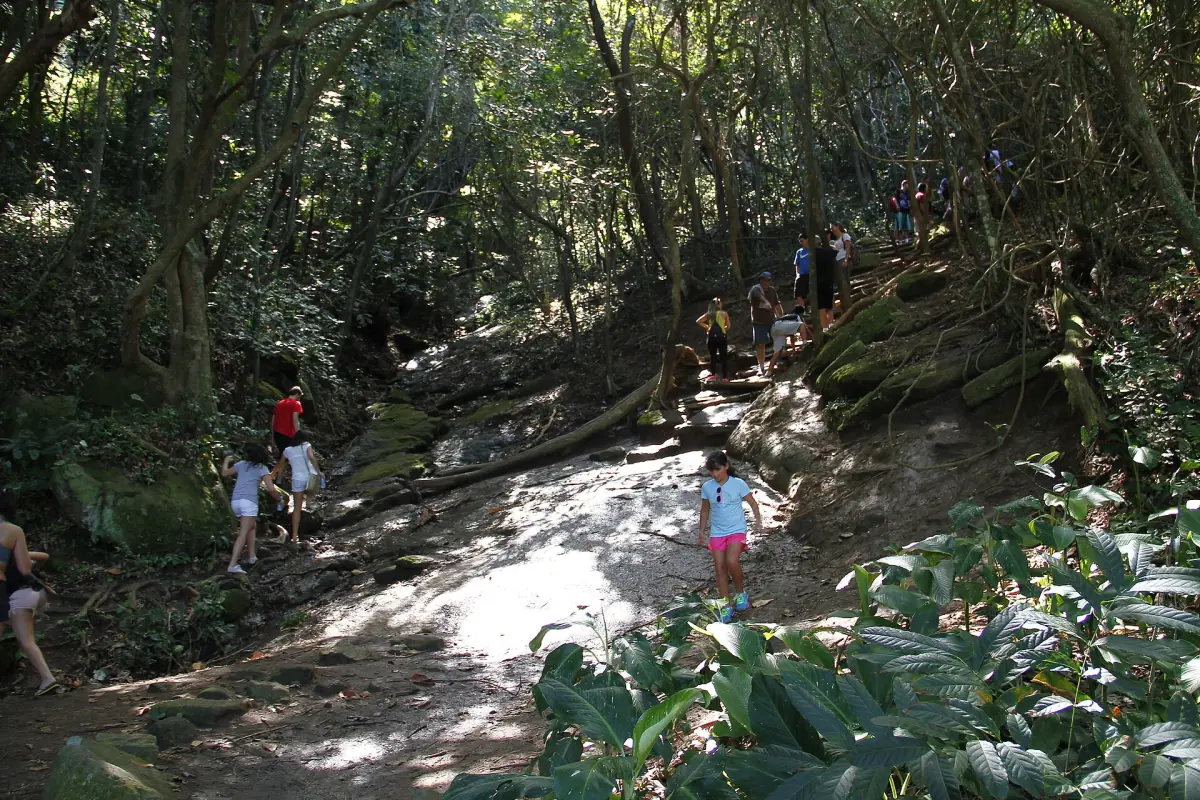
Hike to the Morro da Urca
A forest trail of about 900 m that reaches the first summit without the first cable car ride.
The statue on the Corcovado is the other great landmark of Rio, with a history of its own. You will find it in the guide to the history of Christ the Redeemer.
Sugarloaf Mountain history: frequently asked questions
When did the Sugarloaf cable car open?
In two steps. The stretch from Praia Vermelha to the Morro da Urca opened on 27 October 1912. The stretch from the Morro da Urca to Sugarloaf followed on 18 January 1913.
Why is it called Sugarloaf?
The popular explanation is the resemblance to the tall conical moulds used for sugar in the past. It is a traditional story rather than a proven origin.
Who built the first cable car?
The engineer and initiator of the project was Augusto Ferreira Ramos. It was the first cable car in Brazil.
When did the modern bubble cabins arrive?
The transparent bubble-shaped cabins came with the new system of 1972. New cabins of the same shape from Switzerland followed in 2008.
Is Sugarloaf a UNESCO World Heritage Site?
It is part of a UNESCO cultural landscape in Rio de Janeiro, inscribed in 2012. It is not listed on its own, and the cable car is not a separate UNESCO site.
Is this the official Sugarloaf website?
No. This is an independent travel guide. It is not the website of the cable car operator, the city or a tourism board, and it is not connected to any tour operator or hotel.